Disc Brakes vs Rim Brakes: Which Stops You Better?
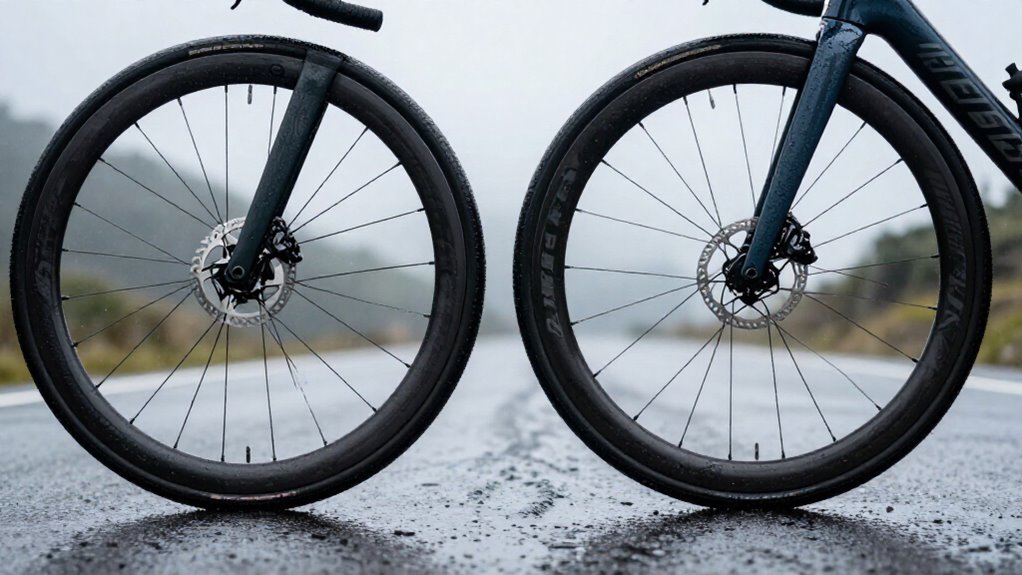
Disc brakes generally stop you better because they deliver consistent, progressive power in rain, on long descents, and when your bike carries panniers. Their rotors shed heat away from the tire, reducing rim-heating risk, though extreme heat can affect fluid.
Rim brakes work when adjusted, but wet tracks, flex, and sustained heat reduce consistency. They’re lighter and simpler to remove and service. Your terrain, load, and maintenance priorities determine your choice; details ahead clarify tradeoffs.
Rotor Heat and Brake Fade
On long or steep descents, both systems turn your speed into heat, but where that heat goes determines how reliably the brakes keep working. Disc rotors shed heat into airflow and hardware, away from the tire; larger rotors add leverage and thermal capacity.
| System | Heat path and risk |
|---|---|
| Disc | Rotor disperses heat; extreme temperatures can still boil hydraulic fluid. |
| Rim | Rim wall heats the tire, raising fade and blowout risk. |
| Priority | Choose rotor size for load, speed, and descent length. |
With rim brakes, alternate firm applications and release periods instead of dragging them; inspect tire pressure and rim condition. Disc systems resist fade better, yet they aren’t immune: sustained braking can overheat a rotor or fluid. If lever feel changes, stop and let it cool.
Brake Pad Contact Surfaces
Brake performance starts at the contact surface: rim pads clamp the wheel’s braking track, while disc pads grip a separate rotor. On a rim-brake bike, you depend on a true, clean wheel and correctly aligned pads to keep the full pad face on the braking track. Caliper flex or a poor setup can concentrate pressure and reduce control.
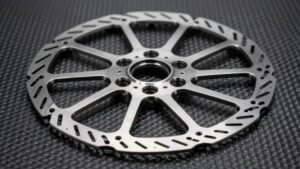
A disc system places contact on a dedicated rotor; its smaller diameter requires greater clamping force to produce comparable braking torque. You must keep rotor runout low and caliper clearance correct so pads release cleanly and engage evenly. Aluminum rims shed heat effectively, while exposed rotors rely on airflow.
Inspect both surfaces regularly: uneven pad contact can compromise your predictable braking when you need it most.
Wet-Pavement Stopping Distance
Wet pavement exposes the biggest practical difference between disc and rim brakes: hydraulic discs typically deliver faster, more predictable initial bite because their pads clear water from the steel rotor quickly. When you brake hard in rain, that quick clearing action lets you build deceleration sooner and judge available traction more accurately. Rim pads must first sweep water and contamination from a larger rim track, so bite can arrive late or unevenly.
Wider tires and fenders can force rim calipers to span farther, increasing flex and reducing pad force precisely when you need it most. Carbon rims amplify the concern: wet rim braking can feel unnervingly inconsistent. With discs, you can apply progressive pressure immediately, then avoid a wheel lockup as tire grip changes.
Wheel Removal Complexity
Removing a wheel is usually quicker with rim brakes: release the caliper’s quick-release or cable, open the axle, and lift the wheel free. With a disc brake, guide the rotor straight out and back into the caliper; don’t let it snag or bend. After refitting, confirm the axle is fully secured, spin the wheel, and check for rotor rub before riding.
Small changes in wheel seating or pad alignment can create drag, particularly with hydraulic systems. Avoid squeezing a hydraulic brake lever when the wheel is out unless you use a pad spacer, since the pistons can advance and complicate reinstallation. For roadside repairs, discs demand deliberate handling and a clean rotor. Rim brakes don’t require rotor-to-caliper centering, so wheel swaps are less sensitive.
Frame and Fork Mounts
Disc brakes transfer braking loads directly into dedicated mounts on the fork and frame, so those structures must resist twisting and flex to preserve power and modulation. You’ll feel a flexing fork or caliper mount as vague response, delayed bite, and unpredictable control, especially with mechanical discs. Because small rotor diameter demands high clamping force, rigid fork legs and robust frame mounts matter in hard stops.
Don’t retrofit a disc caliper to a frame or fork lacking dedicated mounts; the load path wasn’t designed for it.
With rim brakes, pad force reacts through the rim, while long-reach calipers can flex as tire clearance grows. Stiffer front ends and direct-mount brakes reduce that loss. Still, disc-specific structures accommodate wider tires without larger, more compliant rim-brake calipers.
Pad and Rotor Replacement Costs
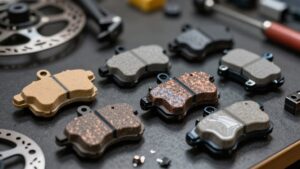
Although disc brakes add recurring pad and occasional rotor costs, their wear parts are usually cheaper than replacing a rim or complete wheel after the brake track wears out. You’ll replace pads as friction material thins, and you should inspect them before they reach the backing plate; worn pads compromise stopping control and can damage a rotor.
Rotor replacement varies with wear and damage, and carbon or heat-treated models can raise the bill. If you use hydraulic discs, budget for annual bleeding too, even though it isn’t a pad-or-rotor expense. Rim-brake pads cost but grit and high mileage, around 10,000 miles annually, can wear brake tracks until you need a rim or wheel. By preserving the rim, discs offset their consumable costs over your bike’s life.
Rotor Bending During Transport
During transport, a disc rotor can bend if a bike tips over, gets bumped in a car, or someone grabs the wheel by the rotor. Its thin steel profile is vulnerable to sharp impacts. You may still have braking power, but a warped section can touch a pad once per revolution, creating intermittent rub, drag, or squeal.
Before riding, spin the wheel and listen. Constant rubbing usually indicates caliper, wheel, or axle alignment; rubbing that comes and goes points to localized rotor warp. Check that the wheel is seated, then true the rotor with the tool or have a mechanic inspect it.
Protect rotors on racks and during wheel removal, and don’t lean the bike rotor-side against surfaces. Rim brakes avoid this particular interference problem.
Brake-Track Wear Tradeoffs
With rim brakes, every stop gradually thins the wheel’s brake track, so you must inspect rims for wear indicators, cracks, or bulging before they become unsafe.
Disc systems spare the rim but concentrate wear on pads and rotors, which can wear faster in wet, gritty riding. You’ll trade periodic wheel replacement for scheduled, measurable rotor and pad service.
Rim Brake Surface Wear
Rim brakes trade low upfront cost for gradual wear of the wheel itself: every stop abrades both the pad and the rim’s aluminum brake track. If you ride 10,000 miles annually, grit, water, and heat cycles shorten rim life. Inspect the track regularly for polishing, grooves, concavity, unevenness, or wear indicators.
A glazed or heat-worn track gives pads less fresh material to grip, making wet braking weaker and less predictable before pads appear spent.
Carbon rims demand attention. Use only specified pad compounds, keep track clean, and follow the manufacturer’s wear limits; incompatible pads accelerate degradation and compromise consistency. Once a rim reaches its limit, you replace the rim or wheel, rather than a sacrificial braking part. That’s why discs can cost less long-term.
Disc Rotor Wear Patterns
Although disc brakes spare the wheel’s brake track, they concentrate pad contact on a narrow rotor band, where uneven pressure, poor alignment, or mismatched pads can create localized polishing, darker heat marks, and thickness variation. Inspect the rotor after hard descents: alternating dark and bright rings, a pulsing lever, or intermittent bite can signal a glazed, uneven contact path.
Since a rotor’s smaller diameter focuses pressure into less width than a rim, small setup errors become more visible and consequential.
- Use matched pads and bed them in evenly before demanding rides in wet conditions.
- Center caliper so both pads share load.
- Replace pads with uneven or contaminated surfaces.
- Measure rotor thickness against its stamped minimum.
- Investigate pulsing immediately; don’t ride a rotor below specification.
Loaded Touring Brake Performance
With a loaded bike, you need brakes that control higher momentum without forcing an abrupt wheel lock-up. On long descents, disc brakes move heat to the rotor rather than the rim, helping you preserve consistent lever feel and protect the wheel.
In rain, their predictable bite and modulation let you manage speed more safely than rim brakes that must clear water from the brake track.
Braking Under Heavy Loads
Loaded touring puts far more energy into every descent, so your brakes must manage heat and deliver predictable force without upsetting a bike carrying luggage. With panniers, you’ll need controlled deceleration, not abrupt bite. Hydraulic discs give you repeatable torque and progressive lever control, helping you slow a heavier, less agile bike without locking a wheel.
Rim brakes can work, but flex and wet rims can make force feel weaker or less consistent.
- Choose hydraulic discs for high-force modulation.
- Check fork and spoke stiffness for disc loads.
- Expect wider tires to expose rim-caliper flex.
- Brake earlier when rain contaminates rim tracks.
- Test loaded stopping distance before committing to remote routes.
Mechanical discs need careful setup; caliper flex can reduce power. Keep luggage low, balanced.
Heat Management On Descents
On long, loaded descents, heat—not peak stopping power—becomes your primary braking limit. Rim brakes turn the rim into the heat sink, so sustained dragging raises rim, pad, and tire temperatures. Aluminum rims and their large diameter can dissipate considerable heat, but they still have limits.
With hydraulic discs, the rotor sheds heat to air from both sides, while the wheel and tire stay outside the braking circuit. You’ll typically retain firmer lever feel and more repeatable braking during repeated speed-control applications. On a loaded touring bike, wide tires and tight fender clearance can add rim-caliper flex, reducing effective force and increasing heat.
Avoid continuous brake dragging: alternate brakes, release them between applications, and stop to cool before fade compromises control. Check pads, rims, rotors.
Wet-Weather Control And Modulation
When rain coats the road, hydraulic disc brakes give a loaded touring bike more immediate, predictable control: the pads clear water from the exposed rotor quickly and deliver a firm, repeatable bite.
That first response matters when you’re descending with panniers or braking unexpectedly in traffic. Hydraulic leverage lets you add force progressively, so you can scrub speed near traction’s limit without grabbing a wheel into a skid.
Wet rim brakes often need a moment to wipe their aluminum track clean; during that delay, lever feel and stopping distance can worsen. Carbon rims can make this uncertainty particularly unnerving.
- Brake earlier when loads shift.
- Keep tires within traction limits.
- Feather levers before corner entry.
- Inspect pads and rotors regularly.
- Expect reduced grip on paint.
Small Hands May Favor Hydraulics
For riders with small hands or limited grip strength, hydraulic disc brakes can make strong, repeatable stopping easier to access. Hydraulic leverage turns modest finger pressure into useful pad force at the rotor, so you don’t need to crush the lever to slow decisively.
That reduced effort matters when you brake repeatedly, fatigue builds, or you must manage speed through technical corners. You also get progressive modulation: squeeze lightly to trim speed, then add force without an abrupt lock-up.
In rain, the rotor clears water more reliably than a rim braking track, helping preserve predictable response. At typical triathlon speeds of 25–35 kph, this control advantage outweighs the roughly 1–1.5-watt aero difference between brake types. If grip limits confident braking, choose hydraulic levers carefully.
Conclusion
Choose brakes for the riding you do. You’ll get the most consistent stopping from disc brakes when heat, rain, steep descents, heavy loads, or small-hand leverage matter; hydraulics add control but need setup. Rim brakes remain light, simple, and easy to service, yet wet rims, worn tracks, and heat demand more margin.
Whichever system you use, inspect pads, cables or hoses, rotors or rims, and mounting hardware regularly. Practice hard stops before you need one.