How to Reduce Numbness on a Bike Saddle
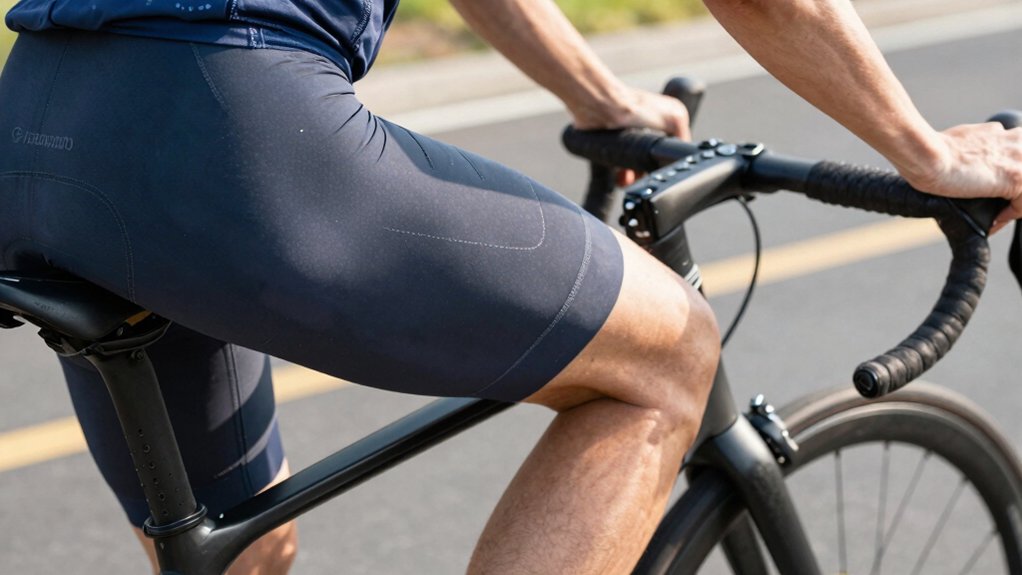
You can stop saddle numbness by matching saddle width to your sit bones; choosing a shape that spreads load (round or flat cut-out as needed); and adjusting tilt and fore/aft so pressure moves off the perineum. Use a pressure map or try controlled saddle swaps to confirm reduced front peaks.
Stand periodically, shift weight, and consider a noseless or short‑nose model for persistent symptoms. Keep going to learn tests, measurements, and quick fixes that help.
Quick Overview
- Match saddle width to your sit-bone spacing to avoid concentrated perineal pressure.
- Use a pressure map or saddle swap trial to confirm front/rear load and identify hotspots.
- Adjust saddle tilt and setback to promote a neutral pelvis and reduce forward pressure on the perineum.
- Stand periodically, shift weight to sit bones, and avoid prolonged static posture to restore circulation.
- Try a flatter cut-out or noseless saddle if groin numbness persists despite correct width and position.
Saddle Pressure Map Comparison
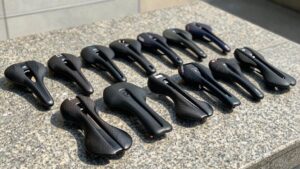
How does saddle shape actually change where you feel pressure? You’ll see distinct shifts: rounder profiles spread load laterally; flatter shapes push force toward the pubic rami, and cut-outs redirect center pressure rearward to sit bones. Use pressure mapping to confirm which pattern you produce and improve saddle comfort.
| Saddle Profile | Typical Effect |
|---|---|
| Round | Even lateral distribution; lower front peaks |
| Flat with cut-out | Front pressure reduced; pubic ramus or rear isolation |
Clinical data show flat cut-out saddles can eliminate perineal pain by isolating pubic rami load. Meanwhile, round saddles lower peak anterior pressure. Pressure mapping (64–68 sensors, up to 200Hz) gives actionable metrics: front/back %, peak location, ischial distance to guide saddle selection and positioning.
Recommended Saddle Widths
Wondering which saddle width will actually stop your numbness? Match saddle width to your sit bone distance: that’s the single most evidence-based step to shift load off soft tissue. Use a pressure map or sit-bone measurement to pick a width that supports the bony sit points without overhanging into the groin.
- Measure sit bone distance sitting on a flat foam or use a pressure map to see contact points.
- Add manufacturer-recommended clearance (usually 20–30 mm) to select saddle width.
- If you feel forward slipping or groin pressure, try one size wider and reassess with a pressure map.
- Avoid guessing; narrow saddles cause numbness; overly wide ones create chafing.
Perineal Nerve Compression Signs
Pay attention to the perineal nerves that run beneath the sit bones and supply sensation to the genital area, because compression there causes most saddle-related numbness. You’ll commonly notice tingling, loss of sensation, burning pain, or erectile/sexual dysfunction after prolonged pressure. The risk increases with narrow/poorly positioned saddles, soft overly squishy seats, and fixed riding posture.
If symptoms persist, simple clinical tests (sensory mapping, nerve conduction where indicated) and immediate steps like changing saddle width/tilt, standing up frequently, or switching to a noseless/short-nose option can quickly reduce pressure. You can pursue formal assessment afterward.
Perineal Nerve Anatomy
Why does your saddle sometimes leave parts of your groin numb or tingly? The perineal nerve anatomy explains it: branches of the pudendal and superficial perineal nerves run under the saddle contact zone and supply sensation to the genital and groin area. When sustained pressure compresses these small nerves, you can lose feeling or get pins-and-needles.
Use a saddle pressure map comparison to see high-pressure hotspots that overlap nerve paths; this evidence guides saddle choice and position changes. Practically, you’ll reduce nerve load by matching saddle width to your sit bones, adjusting tilt and setback, alternating posture, and testing noseless or split-nose designs. Track symptoms alongside pressure maps to confirm improvements and avoid prolonged compression that risks nerve injury.
Common Compression Symptoms
Numbness and tingling in the groin or genitals are common signs that perineal nerves are getting compressed during rides. You may also feel burning, pins-and-needles, or temporary loss of sensation that improves off the saddle. Symptoms often appear after 20–60 minutes and can progress with longer, unrelieved pressure.
Check how your saddle materials distribute load; overly soft pads let soft tissue sink, and very hard shells focus pressure. Notice when symptoms worsen: standing, shifting position, or changing hand placement often relieves them quickly. Track patterns relative to cycling posture: a forward-tilted pelvis or prolonged low-handlebar position raises perineal load.
If numbness persists between rides, seek professional assessment. Early recognition and small adjustments usually reverse nerve compression before lasting damage.
Risk Factors On Bike
How do you know your perineal nerves are under strain on the bike? You’ll notice pins-and-needles, tingling, or numbness in the perineum or genitals during or after rides: classic perineal nerve signs.
Risk factors on the bike include a narrow or improperly positioned saddle that shifts weight off your sit bones onto soft tissue, excessive saddle tilt, and too-high or too-low saddle height that tilts the pelvis. Long, static riding positions and poor posture increase sustained compression. Firmness mismatch and inappropriate saddle shape (including some cutouts) can concentrate pressure. Cleats, shoes, and handlebar reach that force an anterior pelvic tilt also raise risk.
Monitor symptoms, change position frequently, and address these modifiable risk factors promptly.
Diagnostic Tests Overview
After you notice perineal tingling or numbness on the bike, run a focused set of diagnostic checks to confirm nerve compression and guide fixes. Begin by noting when symptoms occur: duration, riding position, and whether symptoms resolve off the bike.
Use simple saddle pressure checks: sit on a firm surface with a pressure map if available, or press the saddle with your palm to compare fore/aft loading. Perform a saddle swap trial; ride with a different width or noseless saddle for short efforts and track symptom change.
Test posture: adjust tilt and setback incrementally and repeat short rides. Document cleat/shoe and ride duration variables. These diagnostic tests help isolate perineal nerve compression causes so you can apply targeted adjustments or seek professional assessment.
Immediate Relief Strategies
Need quick relief? If you feel tingling, numbness, or burning in the perineal area, stop and shift weight to your sit bones immediately. Stand on the pedals, slide back on the saddle, or briefly ride standing to restore blood flow.
Check saddle width against your measured sit bone distance: narrow saddles often cause compression. Loosen clothing and avoid tight bibs or straps that squeeze the perineum. Short, frequent position changes (every 10–15 minutes) reduce sustained nerve pressure.
If you have persistent signs, such as loss of sensation, shooting pain, or difficulty urinating, seek medical review promptly. For immediate rides, choose a noseless or well-padded short-nose saddle and retest fit; small adjustments can rapidly relieve perineal nerve compression.
Frequently Asked Questions
Can Shoe Insoles Affect Saddle Numbness?
Yes, shoe insoles can affect saddle numbness. You’ll change foot position, load distribution, and pelvic tilt by altering arch support or padding thickness. This shift causes pressure on the saddle and perineum to change.
Use firmer, well-shaped insoles and avoid excessive padding thickness that forces forward pressure. Adjust cleats and shoes after changing insoles; test on short rides. If numbness persists, try different insole profiles or consult a bike fitter.
How Often Should I Change Saddle Position While Riding?
How often should you change saddle position while riding? Aim to shift your saddle position or body every 10–20 minutes. Stand up briefly every 5–15 minutes on longer rides.
Frequent small adjustments redistribute pressure, maintain circulation, and prevent numbness. Adjust saddle position more often during climbs, sprints, or when you feel tingling. Combine these shifts with periodic posture changes and brief off-saddle intervals for best comfort and nerve relief.
Can Cycling Shorts Prevent Long-Term Numbness?
Yes, cycling shorts can help prevent long-term numbness when combined with proper saddle fit and shoe insoles. They will position padding over your sit bones and reduce soft-tissue compression; however, they aren’t a cure alone.
Use well-fitted shorts with a quality chamois. Match saddle width to your sit-bone spacing, adjust saddle position, and pair shoes with supportive insoles. Regular position changes and checking cleat alignment also reduce nerve pressure.
Are Noseless Saddles Safe for Long Rides?
Yes, noseless saddles can be safe for long rides if they match your anatomy and riding style. You’ll need a properly fitted noseless saddle that supports your sit bones, appropriate firmness, and correct saddle height or tilt.
Expect an adaptation period; monitor hotspots and adjust position or try a step or short-nose design if needed. Combine with good shorts, shoe or cleat setup, and vary position to maintain circulation and prevent numbness.
Does Bike Frame Size Influence Perineal Pressure?
Yes, frame sizing affects perineal pressure. If your frame is too large or small, you’ll compromise saddle position, tilt, and pelvis angle; this increases perineal pressure. Correct frame sizing lets you set saddle height, setback, and reach so your sit bones bear weight instead of soft tissue.
Get a proper fit, measure reach and stack, and test adjustments. Small frame or setup changes often cut numbness and improve comfort.
Conclusion
You can reduce saddle numbness by matching saddle width to sit bones, using pressure-map data to choose lower-perineum loading, and recognizing perineal nerve compression signs: tingling, loss of sensation, erectile dysfunction.
Adjust bike fit: tilt, setback, handlebar height. Use padded shorts, a cutout or pressure-relief saddle, and change position frequently. If symptoms persist or worsen, get a professional bike fit and see a clinician for nerve testing and tailored treatment to prevent lasting damage.
Related reading: How to Prevent Knee Pain From Cycling — a closer look at this topic.