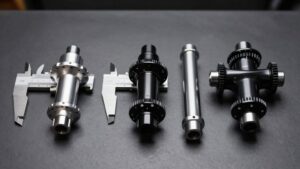
Cassette and Freehub Compatibility Guide
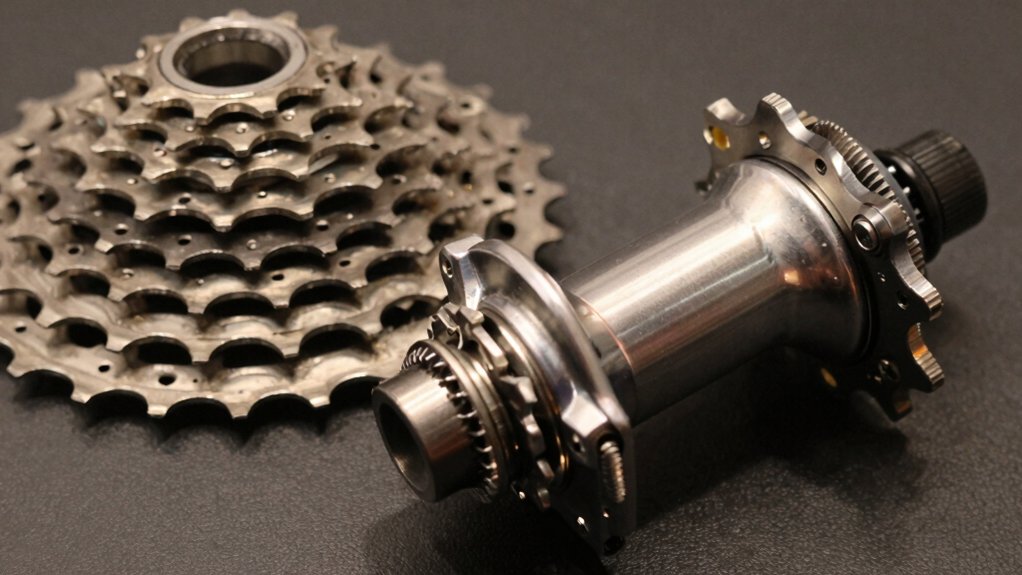
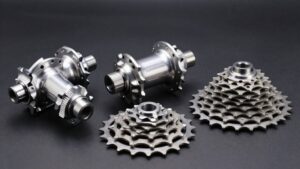
You’ll need to match spline type, smallest cog spacing, and any required spacer to avoid fit or wear problems. 13-spline HG fits most 7–10s and many 11s with spacers. Microspline (23) fits Shimano 11/12 MTB with a 10T cog; SRAM XD/XDR and Campagnolo use proprietary bodies.
Material affects durability: aluminum is light, steel/titanium stronger, and hybrid steel inserts are common. Check spline engagement length, spacer thickness, and manufacturer notes to prevent damage. More specifics follow.
What Is Cassette and Freehub Compatibility?
- Match spline type (13-spline, Microspline, XD/XDR, Campagnolo, EV): splines must physically mate for cassette fit.
- Verify smallest cog and hub spacing requirements; some cassettes need 1mm or 1.85mm spacers on HG freehubs.
- Use manufacturer-specified freehub series: Microspline/EV accept only their 11/12-speed cassettes with no spacer.
- Consider freehub material and spline count: higher splines distribute load. Aluminum bodies may need steel inserts for durability.
- Inspect for wear, corrosion, and spline deformation regularly. Replace worn driver bodies or spacers to maintain shifting and safety.
Spline Count Comparison
When you compare freehub spline counts, focus on which cassette systems require unique interfaces. Shimano’s legacy HG bodies use 9–13 splines; the most common is 13. They accommodate 7–10 speed cassettes with spacers as needed. Microspline uses 23 splines exclusively for Shimano 11/12-speed MTB cassettes with a 10T cog. Shimano’s EV/Hyperglide+ 12-speed road spline differs again for Dura-Ace/Ultegra 12-speed units.
Campagnolo and SRAM XD/XDR each use their own proprietary spline profiles that aren’t cross-compatible with Shimano bodies. You’ll check spline count to avoid compatibility myths: spline geometry, cassette smallest cog, and spacer needs determine fit, not brand lore.
| Spline Type | Typical Use |
|---|---|
| 13-spline | HG 7–10s (most common) |
| 23-spline | Microspline 11/12 MTB |
| EV variant | Shimano 12s road |
| XD/XDR | SRAM proprietary |
0-Speed Shimano Spacing
Shimano spacing varies by speed and cassette family; you’ll need the correct spacer or freehub type to guarantee proper chainline and shifting. You’ll check freehub series (HG, XDR, Microspline, EV) and fit spacers only when spec’d: 1mm, 1.85mm, and 4.5mm variants are common. Cross brand swaps demand attention. SRAM XD/XDR and Campagnolo systems are not interchangeable without adapters.
- HG family: Many 8–11 MTB and road cassettes fit HG freehubs; 10-speed sometimes needs a 1mm spacer.
- 11/12 road on HG: Use 1.85mm for MTB cassettes on road freehubs.
- Microspline/EV: No spacer; exclusive to specific Shimano 11/12/12 MTB/road cassettes.
- Use spacer only when the manufacturer specifies to avoid misalignment.
Freehub Body Material Limits
You need to match freehub body materials to your use case because strength limits and wear characteristics directly affect cassette retention and spline life. Consider weight versus durability trade-offs, plus how heat, torque, and corrosion will influence maintenance intervals and compatibility with high-torque cassettes.
I’ll cover common alloys and steels, expected wear patterns, and practical inspection and service steps to keep your drivetrain reliable.
Material Strength Limits
Freehub bodies must withstand high cyclic loads and shear forces from cassette teeth and rider torque. So, you’ll want to consider alloy grade, heat treatment, and wall thickness when assessing their strength limits. You should check spline count and speed spacing compatibility against the cassette design. This is important because narrower spacing and additional cogs concentrate loads on splines.
Aluminum alloys (e.g., 7075-T6) give favorable strength-to-weight but need thicker walls or surface hardening. Softer 6061 requires conservative torque limits. Steel or titanium bodies resist wear and shear but add complexity and cost. Inspect spline engagement length, roller/pawl interface, and fatigue-prone transitions; measure contact stresses and calculate safety factors for expected peak torque and cyclic cycles to predict service life and failure modes.
Weight Versus Durability
Having assessed spline engagement, alloy choice, and fatigue cycles, now compare how material selection trades weight for durability in freehub bodies. You’ll choose aluminum to minimize mass but accept lower wear resistance under high torque and coarse spline count interfaces. Aluminum with hardened steel inserts offers a middle path.
Steel or titanium bodies raise weight durability but reduce the need for frequent service and tolerate finer spline count designs without deformation. Consider wall thickness, heat treatment, and surface hardening as variables that let you trim grams while meeting lifespan targets. For lightweight builds, prioritize high spline count hubs that distribute load and allow thinner walls. For load-focused applications, accept added grams in favor of steel cores or replaceable driver bodies to maximize service life.
Wear And Compatibility
Material choice sets the hard limits for wear patterns and what cassettes a driver will accept. You should match alloy, steel, or hybrid constructions to the expected torque, spline geometry, and service interval. You’ll prefer steel splines where high torque and long compatibility longevity are required. Alloy bodies save weight but wear faster with aggressive cassettes.
Hybrid designs place steel inserts at contact points to extend life while keeping mass down. Inspect spline deformation, fretting, and play; measurable wear alters shifting index and can make originally compatible cassettes bind. Maintain spacer reliability by replacing worn washers and correct-thickness spacers to preserve preload and alignment.
Record service intervals and torque history: replacement before functional failure preserves drivetrain parts and maintains intended compatibility.
Heat And Torque Resistance
Wear patterns and spline deformation you monitor for service intervals also dictate how much heat and torque a freehub body can withstand before failure. You’ll assess freehub material limits by comparing alloy, steel, and hardened aluminum variants: steel offers superior heat resistance and torque durability but costs weight durability. Aluminum trades strength limits for lower mass.
Use spline count comparison to predict contact stress; higher spline counts distribute load better, improving wear compatibility under tight speed spacing where cassettes concentrate torque on fewer teeth. Measure torque against manufacturer spec and watch for thermal softening during extended climbs or track use. Record failures to refine service intervals and selection criteria. This will balance freehub material limits with intended duty and planned corrosion maintenance.
Corrosion And Maintenance
Inspect your freehub body regularly for corrosion and pitting, because different alloys and coatings change how quickly electrochemical attack and moisture-driven degradation will compromise splines and bearings. You should assess aluminum, steel, and titanium surfaces: Aluminum alloys corrode faster in salted conditions; steel tolerates wear but rusts without protection; and titanium resists corrosion yet can gall against steel cassettes.
For corrosion maintenance, clean with mild degreaser, dry thoroughly, and apply appropriate anti-seize or thin film corrosion inhibitor to splines and mating faces. Check sealed bearings and replace if water ingress occurred. Maintain correct spacer and cassette compatibility to avoid uneven load concentrating corrosion. Document inspections and service intervals to preserve compatibility longevity and prevent catastrophic spline failure during use.
How Often Should You Check Your Cassette and Freehub Compatibility on a Bike?
You should inspect your cassette and freehub compatibility at least once a month for routine riders and before every long ride if you commute daily or ride in wet or dusty conditions. Catching wear early keeps repair costs low and prevents the cascading damage that turns a small component issue into a full drivetrain or wheelset replacement.
Frequently Asked Questions
Can I Fit an XD Cassette on a Shimano Freehub?
No, you can’t fit an XD cassette on a Shimano freehub. XD compatibility requires an XD/XDR freehub body or compatible adapter. Shimano HG bodies won’t accept the XD driver splines.
You can use freehub adapters or replace the hub body with an XDR/XD-compatible unit; however, you won’t get a safe fit by forcing parts together. Check hub manufacturer options for XD conversion kits and confirm cassette, freehub adapters, and tool compatibility before proceeding.
Do Microspline Cassettes Require Special Tools?
Yes, Microspline compatibility demands special tools. You’ll need a Shimano-compatible cassette lockring tool and the correct chain whip for removal. Cassette-specific splines mean standard HG/XD tools won’t fit.
If fitting new cassettes on Microspline freehubs, you’ll also check for any manufacturer spacers. For service, use proper torque specs and a compatible press if replacing individual cogs. Using incorrect tools can damage the freehub or cassette splines.
Which Spacer for 10-Speed on Mavic HG Freehubs?
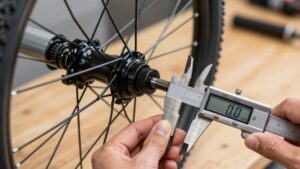
You’ll need a 1mm + 1.75mm spacer combo for 10-speed on Mavic HG freehubs. For spacer compatibility, fit the 1mm directly against the cassette; then the 1.75mm Mavic spacer to achieve correct freehub width. That stack ensures proper cassette engagement and preload, avoiding misalignment.
Verify the freehub width and cassette model before assembly. Torque the lockring to spec, and check chainline and shifting under load.
Are SRAM XDR and Shimano HG Lockrings Interchangeable?
No, you can’t swap SRAM XD and Shimano HG lockrings. SRAM XD cassettes use an XD/XDR-specific lockring and spline interface, while Shimano HG cassettes use the standard HG lockring and splines.
You’ll need the correct lockring and tool for each system when installing or removing cassettes. Using the wrong lockring risks improper seating, damage to the freehub or cassette, and unsafe shifting performance.
Will EV Freehub Accept 12-Speed MTB Cassettes?
No, an EV freehub won’t accept 12-speed MTB cassettes. You’ll need a Microspline freehub for Shimano 11/12 MTB cassettes with a 10T cog.
For wheel compatibility, confirm your hub type before buying. For maintenance considerations, avoid forcing incompatible cassettes and service splines regularly. Expect reduced shift quality and compromised long-term durability if you mix incompatible standards. Choose matching freehub/cassette for reliable performance.
Which Cassette-Freehub Standard Approach Is Right for Your Bike?
You’ve seen how spline counts, Shimano 0-speed spacing, and freehub materials affect compatibility and longevity. Use matching spline profiles and respect manufacturer torque specs to avoid damage.
Aluminum bodies save weight but wear faster than steel or hardened alloys; heat from heavy torque and poor lubrication accelerates failure. Prioritize correct materials for your riding style, inspect cassette engagement and spacer fit regularly, and maintain clean, greased interfaces to ensure consistent, safe shifting and long service life.