
Road Bike Size Guide
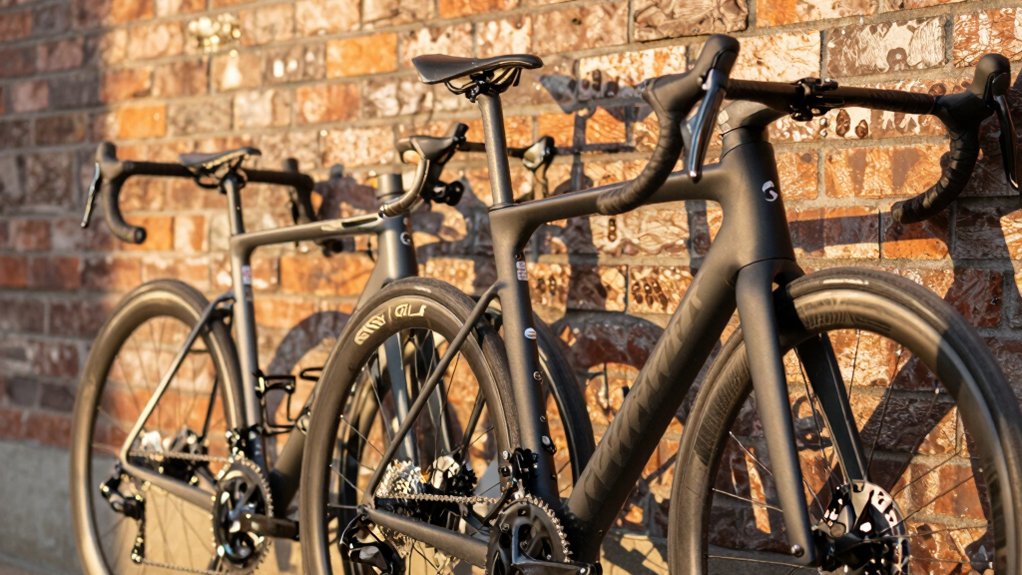
Pick a frame by height and fine-tune with your inseam: 152–160 cm ≈ 49–50 cm.
160–168 cm ≈ 52 cm; 168–174 cm ≈ 54 cm; 174–180 cm ≈ 56 cm; 180–188 cm ≈ 58 cm.
Use bare-foot inseam to set saddle height.
and check 1–2.5 cm standover clearance on a road bike.
Choose a slightly larger frame for aggressive reach or smaller for nimble handling.
Then tweak stem length and saddle position for comfort.
keep going to get the full fit checklist.
Quick Overview
- Use your standing height as a quick start: 152–160 cm → XS (49–50 cm); 160–168 → 52 cm; 168–174 → 54 cm; 174–180 → 56 cm; 180–188 → 58 cm.
- Fine-tune frame choice with barefoot inseam: XS 71–75 cm; 52 cm 76–79 cm; 54 cm 78–82 cm; 56 cm 81–85 cm; 58 cm 84–87 cm.
- Ensure at least ~2.5 cm (1 inch) standover clearance on a road bike with shoes on for safe, comfortable mounting.
- Match frame size with 700c wheels and pick geometry (aggressive vs upright) based on riding goals and comfort.
- If between sizes, prefer fit over numbers: test-ride, adjust stem length and saddle height, or size up for more reach and comfort.
Quick Size Answer: Height → Frame (Chart)
Wondering which frame size fits you best? Use a simple height mapping to get a fast answer: match your standing height to the common frame chart and you’ll land near the right frame. If you’re 152–160 cm, expect X Small (49–50 cm). If you are 160–168 cm, it fits 52 cm. If you are 168–174 cm, it suits 54 cm. If you are 174–180 cm, it goes to 56 cm. If you are 180–188 cm, it aligns with 58 cm.
This quick chart won’t replace a full fit; however, it gives a reliable starting point so you can shop with confidence. After you pick the nearest frame size, double-check standover and geometry specifics from the manufacturer before buying. You’ll feel more certain, ride safer, and enjoy better performance.
Use Your Inseam to Find the Right Road Bike Frame
The height chart gives you a quick starting point, but your inseam is the measurement that really fine-tunes frame fit: especially for saddle height and standover clearance. Measure your inseam barefoot from crotch to floor. Then compare it to the inseam ranges for frame sizes: X Small (71–75 cm), 52 cm (76–79 cm), 54 cm (78–82 cm), 56 cm (81–85 cm), 58 cm (84–87 cm).
Ignore common inseam myths that claim one size fits all; precision matters for comfort and power. Factor shoe thickness when setting saddle height: road shoes add sole height that changes effective leg extension. Use your inseam to pick a frame that lets you achieve correct saddle height and efficient pedaling. If between sizes, choose based on desired riding position.
Check Standover Clearance and Why It Matters
Why should you check standover clearance before you buy or ride a road bike? You want confidence getting on and off without hesitation. Standover safety prevents painful scrapes and gives you a quick, controlled dismount in traffic or on sudden stops.
Stand over the bike with feet about 6 inches apart, shoes on, and perform a clearance measurement: measure from the top tube to your crotch. For road bikes, aim for at least 1 inch (2.5 cm) of clearance; a bit more adds comfort. If clearance feels tight, try a different frame size or a model with a sloping top tube.
Always confirm standover safety in person. Numbers help, but real feel seals the decision and keeps you riding confidently.
Between Sizes: How to Decide and What to Change
How do you choose when two frame sizes both seem to fit? Pick the size that matches your riding goals and tweak cockpit dimensions. If you prefer aggressive riding or have longer reach, go up a size. If you want nimble handling or shorter reach, go down.
Consider brand preferences and budget constraints: some makers offer more seatpost or stem options.
| Change | Effect |
|---|---|
| Longer stem | More reach, stable |
| Taller seatpost | More saddle height |
Adjustments to make include swapping stem length, raising or lowering saddle, changing stem angle, and fitting a different handlebar width. Test rides are essential; small changes dramatically affect comfort. Commit to the size that needs fewer costly mods.
Match Frame Geometry to Your Riding Style
If you’ve chosen a frame size or are deciding between two, match the bike’s geometry to how you ride: race-oriented frames give you a lower stack and longer reach for an aggressive, aerodynamic position. Endurance or touring frames raise the stack and shorten reach for comfort on long days. Decide whether you want speed or comfort, then compare stack, reach, and top-tube length.
Look at head tube height, fork rake, and wheelbase; those affect handling and stability. Try models from brands with brand history you trust and test rides in different color options to stay motivated. If you plan mixed use, pick a neutral geometry and tweak stem length, spacers, and saddle fore/aft to dial in fit for your goals.
Frame Sizes & Wheel Standard for Road Bikes (700c)
Wondering which frame size and wheel standard will suit you best? You’ll usually pick a frame by height and inseam: X Small (49–50 cm) for ~152–160 cm, 52 cm for ~160–168 cm, 54–56–58 cm for taller riders. Frame sizes are listed in centimeters, so match yours to manufacturer charts and check standover clearance.
Road bikes standardize on 700c wheels; thus, 700c compatibility is expected across adult sizes. That simplifies wheel sizing and replacement choices. Choose a frame that balances reach and comfort for your riding style; you can tweak stem length later. Pay attention to geometry differences between aggressive and upright frames when comparing sizes.
- Match height and inseam to cm frame sizes
- Verify standover clearance
- Confirm 700c wheel sizing and compatibility
Fit Test: Saddle Height, Reach, Cleats, and Shop Adjustments
Ready to dial in your fit? Start by setting saddle height so your leg has a slight bend at the bottom of the pedal stroke. Too high causes rocking; too low wastes power. Check saddle tilt: level is a good default; small nose adjustments fix pressure points.
Test reach: with hands on hoods, your elbows should be slightly bent and shoulders relaxed. Move the saddle or stem to remove rounding. Inspect cleat alignment on shoes so your knees track over the pedal spindle. Small fore-aft or rotational tweaks prevent pain.
Ride for 10–15 minutes and reassess comfort and knee position. If unsure, let a shop fine-tune micro-adjustments. They’ll dial saddle height, tilt, reach, and cleat alignment precisely.
Frequently Asked Questions
Got questions about choosing the right frame, measuring your inseam, or fine-tuning saddle and stem height? Start by measuring your height and inseam. Use manufacturer geometry charts and tweak saddle and stem positions to match your reach and comfort.
I’ll also explain when it makes sense to size up; this way, you ride more efficiently and stay comfortable on long rides.
Choosing The Right Frame
How do you pick the right frame when sizes and geometry vary so much? You focus on fit, posture, and purpose. Try on frames in your cycling apparel and bike shoes to feel real-world clearance and reach. Test a relaxed and an aggressive geometry to see which lets you ride longer without pain.
Don’t rely only on charts; use them as a starting point.
- Stand over the bike, check clearance, and feel top-tube contact.
- Sit and reach the hoods; note back angle and shoulder comfort.
- Spin a few pedals to confirm crank clearance and shoe comfort.
Choose a frame that matches your typical rides. Then, fine-tune with stem length and saddle position.
Measuring Your Inseam Properly
Curious how to get an inseam measurement that actually matches your bike fit? Stand barefoot with feet about 6 inches apart. Press a book or flat object firmly into your crotch to mimic a saddle. Measure from that object straight down to the floor. Have someone help for accuracy; a tilted book or slouched stance causes inseam errors that lead to posture issues on the bike.
Repeat the measurement a couple of times and use the longest consistent number. Compare your inseam to frame guides and standover recommendations to narrow sizes. If your inseam sits between ranges, prioritize comfort and reach rather than forcing a smaller frame. Accurate inseam measurement prevents discomfort, improves pedaling efficiency, and helps you choose the right road bike size.
Adjusting Saddle And Stem
Tuning your saddle and stem gets you riding comfortably and efficiently; small changes make a big difference. You’ll start by setting saddle height from your inseam. Then tweak saddle tilt until your hips stay level and you don’t slide forward.
Adjust stem length to balance reach: a shorter stem quickens steering and a longer one stretches your posture. Make small moves, test rides, then fine-tune.
Imagine a saddle slightly nose-down to relieve pressure on soft tissue. Picture a stem swap that brings the bars 1–2 cm closer for less shoulder strain. Visualize minor saddle tilt changes preventing numbness on long rides.
If discomfort persists, repeat adjustments or consult a fit specialist for precise posture alignment.
When To Size Up
Wondering if you should size up your road bike? If you feel cramped despite adjusting saddle height and stem, consider a larger frame: more reach and a slightly higher stack can improve comfort on long rides.
Size up when your inseam and reach push you beyond the manufacturer chart, when standover clearance is tight, or when you plan a more aggressive position where aerodynamic gain matters less than comfort and power output.
Check warranty considerations before swapping frames or components; some makers limit coverage if you alter intended geometry. Test-ride the next size with the stem and saddle tuned to your posture.
If pedaling efficiency, breathing, and handling improve, sizing up was the right move. Trust fit over numbers.
Conclusion
You’ve got the tools to pick a road bike that fits and performs. Measure your height and inseam, check standover clearance, and decide between sizes based on comfort and handling.
Match geometry to how you ride; then fine-tune saddle height, reach, and cleats at the shop. Don’t be afraid to test ride and adjust. Small tweaks transform comfort and speed.
Ride confident: the right fit makes every mile better.