Fat Bike Vs Mountain Bike Differences
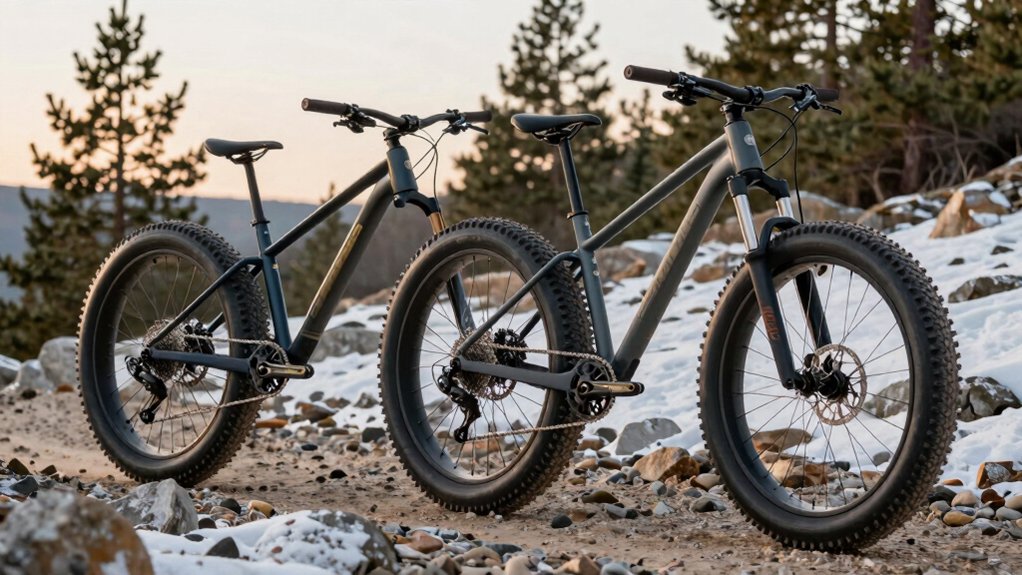
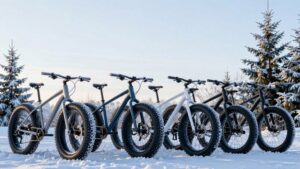
You’ll notice fat bikes trade nimble, lightweight mountain-bike handling for much wider tires, lower pressures, and geometry tuned for flotation and stability on snow, sand, and mud.
You’ll get extra traction and confidence in soft conditions; however, you will experience slower acceleration, heavier weight, and less precise cornering.
Mountain bikes stay lighter, climb and turn quicker, and suit technical singletrack and hardpack.
Choose based on terrain and priorities, and keep going to see specific gear and setup differences.
Quick Overview
- Fat bikes use very wide tires (3.8″+) and low pressures for flotation on snow, sand, and mud. Mountain bikes use narrower, higher-pressure tires for quicker acceleration and sharper cornering on hardpack and technical trails.
- Fat bike geometry favors a slacker head angle and longer wheelbase for straight-line stability in soft terrain. Mountain bike geometry favors steeper head angles and shorter wheelbase for agility, responsive climbing, and quick handling.
- Fat bike frames prioritize durability and weight tolerance; mountain bikes prioritize lighter materials for climbing efficiency and responsiveness.
Quick Decision: Fat vs. Mountain Bike
Wondering which bike fits your riding most? You’ll weigh trade-offs quickly: if your terrain priority is snow, sand, or mud, a fat bike’s oversized tires and relaxed frame give flotation and stability.
If you want speed, agility, and better climbing on hardpack or rocky trails, a mountain bike’s lighter frame, narrower rims, and advanced suspension suit you. Consider weight and gearing: fat bikes are heavier with lower gears for soft surfaces; mountain bikes accelerate faster and handle technical features.
Think maintenance and comfort: fat setups can be simpler and more forgiving, while mountain rigs demand suspension care but reward precision. If price matters, use budget choice to narrow models: fat or mountain options exist across budgets. Choose the one matching your primary conditions.
Best Terrains & Use Cases: Who Should Pick Which
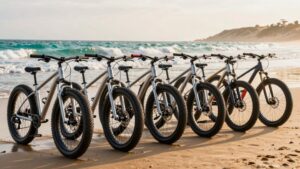
You’ve already weighed the broad trade-offs; now let’s match each bike to the places you’ll actually ride. If you spend winters in snow, coastal sand, or mud, these are extreme climates where flotation matters. A fat bike wins; it’s stable, forgiving, and keeps you moving where narrower tires would sink. Choose a fat bike if you prioritize exploration, simplicity, and durability over speed.
If your routes are mixed singletrack, hardpack, or steep climbs, a mountain bike suits you. Its lighter frame, suspension options, and quicker acceleration make it better for technical trails and longer rides. Also consider budget constraints: entry-level fat bikes can cost more per performance due to beefy components. Meanwhile, value-packed mountain bikes scale across price points.
Tires & Wheels: Traction, Width, and Rolling Resistance Compared
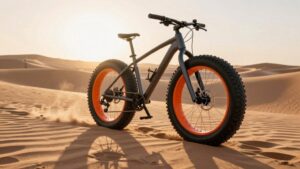
How do tires and wheels shape the ride? You’ll notice fat bikes use very wide rims and 4–5″ tires that float on soft ground, giving superior traction on snow or sand. Mountain bikes use ~2–2.5″ tires with aggressive tread pattern optimized for rocks and roots. Lower tire pressure on fat bikes increases contact patch and comfort; higher pressure on mountain bikes reduces rolling resistance on hardpack.
Wheels: fat rims (55–65mm) stabilize big tires; narrower MTB rims (~30mm) sharpen handling. Choose based on terrain and speed priorities.
| Feature | Effect |
|---|---|
| Width | Flotation vs responsiveness |
| Tire pressure | Traction/comfort vs speed |
| Tread pattern | Bite in loose vs efficiency on hardpack |
Frame & Geometry: Stability vs. Agility Explained
Why does frame geometry matter so much to how a bike handles? You feel it the moment you turn: fat bikes use relaxed geometry, slacker head angles and longer wheelbases that prioritize steady tracking and dispel Stability myths about wobble on soft surfaces. Mountain bikes favor aggressive geometry, steeper head angles and shorter wheelbases for quick steering and pop.
- Longer wheelbase boosts straight-line confidence on snow or sand, but reduces nimbleness.
- Slacker head angle smooths front-end behavior at speed; yet slows turn initiation—one of the clear Geometry tradeoffs.
- Shorter chainstays and steeper angles increase responsiveness and climbing control while demanding more precise technique on loose or irregular ground.
You’ll choose based on whether you value calm stability or sharp agility.
Weight, Acceleration & Climbing: Real-World Performance Trade-Offs
Curious how a few extra pounds change what you feel on a climb? You’ll notice fat bikes carry extra mass from wide tires and reinforced frames, so acceleration feels sluggish compared with lighter mountain bikes. Your pedal cadence often drops as you work harder to maintain speed. Mountain bikes let you spin higher cadences and recover faster between efforts.
On steep pitches, fat bikes rely on lower gearing and broader torque distribution to keep momentum in soft snow or sand. However, that same setup saps efficiency on hardpack. Mountain bikes convert power more directly; short bursts and technical climbs reward aggressive gearing and quicker acceleration. Choose based on terrain: if flotation matters, accept weight penalties. If climbing and brisk accelerations matter, pick the lighter mountain bike.
Suspension & Gearing: Tire Compliance vs. Advanced Suspension
Because fat bikes lean on massive, low-pressure tires for most of their shock absorption, you’ll feel a plush, rolling compliance that soaks small bumps without the complexity of suspension pivots or extra maintenance. You trade active suspension travel for tire compliance and a simpler drivetrain tuned for soft surfaces.
Mountain bikes, by contrast, use advanced suspension to control big hits and keep traction on roots and rocks, paired with wider gearing for steep climbs and fast descents. Consider how your rides look and feel:
- Tire compliance: Fat tires smooth chatter and reduce fatigue at low speed, ideal for sand or snow.
- Suspension travel: MTB forks and shock manage technical impacts and maintain momentum on rough lines.
- Gearing simplicity: Fat bikes favor lower, simpler ratios; MTBs offer broader ranges for varied terrain.
How to Buy: Budget, Must-Have Specs, and Upgrade Tips
Looking for the right bike for your riding style and budget? Decide if you need flotation and durability (fat bike) or lighter weight and suspension performance (mountain bike).
Set a budget: entry-level mountain bikes start lower; fat bikes often cost more for comparable components. Check must-have specs: frame material, wheel/tire width, suspension type, gearing range, and brake quality.
Prioritize what you’ll ride most. Deep snow demands fat tires; technical trails need suspension travel. Consider financing options for higher-end builds, but balance cost against likely resale value if you’ll upgrade later.
For upgrades, swap tires, brakes, or drivetrain first for the biggest performance jump. Save frame or suspension changes for major overhauls to keep costs sensible.
Frequently Asked Questions
You’ll likely ask how tire width affects traction and where each bike really shines on different terrain. Therefore, we’ll compare fat and mountain setups side-by-side. I’ll also explain how frame geometry changes handling and what maintenance differences you should expect.
Tire Width And Traction
How wide should your tires be for the conditions you’ll ride in? You’ll choose fat or mountain widths based on traction needs: fat tires (4–5″) float on soft stuff, while MTB tires (2–2.5″) bite into packed surfaces. Pay attention to tire pressure and tread pattern. Lower pressure on fat tires boosts flotation and grip; higher pressure on MTB tires reduces rolling resistance.
- Soft surfaces: wide tires + low tire pressure for maximum flotation and traction.
- Mixed/hardpack: narrower tires with aggressive tread pattern and moderate pressure for speed and control.
- Variable conditions: consider tread choice first. Then, fine-tune tire pressure to balance grip, comfort, and rolling efficiency.
Terrain And Trail Use
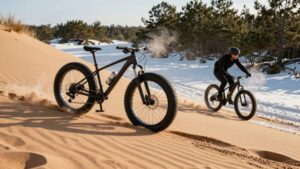
When choosing between a fat bike and a mountain bike for particular trails, think about the surfaces you’ll ride most: fat bikes excel on snow, sand, and deep mud because their wide tires float and grip at low pressures. Mountain bikes perform better on hardpack, rocky singletrack, and technical climbs thanks to narrower tires, lighter frames, and advanced suspension.
You’ll weigh seasonal accessibility; fat bikes extend the season into winter and beach months, while mountain bikes stay versatile year-round. Respect trail etiquette: yield appropriately, avoid cutting wet lines, and choose the bike that minimizes trail damage.
| Surface | Fat Bike Advantage | Mountain Bike Advantage |
|---|---|---|
| Snow | High flotation | Limited |
| Sand | Excellent float | Poor |
| Hardpack | Inefficient | Fast |
| Rock | Stable | Precise |
Bike Frame And Geometry
A bike’s frame and geometry dictate how it handles. Comparing fat and mountain bike designs shows why each suits different riding styles and terrain. You’ll notice fat bike frames are beefier, built from sturdy frame materials to tolerate wide tires and low pressures. They sacrifice some weight for durability.
Mountain bike frames favor lighter alloys or carbon for agility and quicker climbs. Geometry offsets differ: fat bikes use slacker head angles and longer wheelbases for stability in soft conditions. Mountain bikes employ steeper head angles and shorter wheelbases for responsiveness on technical trails.
Consider these quick contrasts to pick what matches your riding.
- Frame materials: durability vs lightness
- Geometry offsets: stability vs agility
- Weight trade-offs and handling focus
Maintenance And Upkeep
Now that you’ve seen how frame and geometry shape handling, upkeep keeps those design differences working at their best. You’ll find fat bikes demand more tire care: regular pressure checks and rim cleaning after sand or snow.
Mountain bikes need frequent suspension service and faster wear checks on narrower tires. Both benefit from routine chain lubrication to prevent grit-related wear; fat-bike drivetrain parts may need more frequent attention in abrasive environments.
Do bearing inspection on hubs, headsets, and pivots regularly. Water and grit from wet trails or slushy rides will shorten service intervals. Brake pads, spokes, and bolts should be checked on both; expect heavier components on fat bikes to mask subtle wear. A simple schedule tailored to conditions keeps either bike reliable.
Conclusion
Choosing between a fat bike and a mountain bike comes down to where and how you ride. If you crave floatation, stability, and confidence on snow, sand, or sloppy trails, a fat bike’s wide tires and simple setup will serve you best.
If you want nimble handling, faster rolling, and better climbing on varied singletrack, a mountain bike with narrower tires and tuned suspension is smarter. Match terrain, weight tolerance, and upgrade goals; then ride and refine.