
700C Tire Sizes Explained
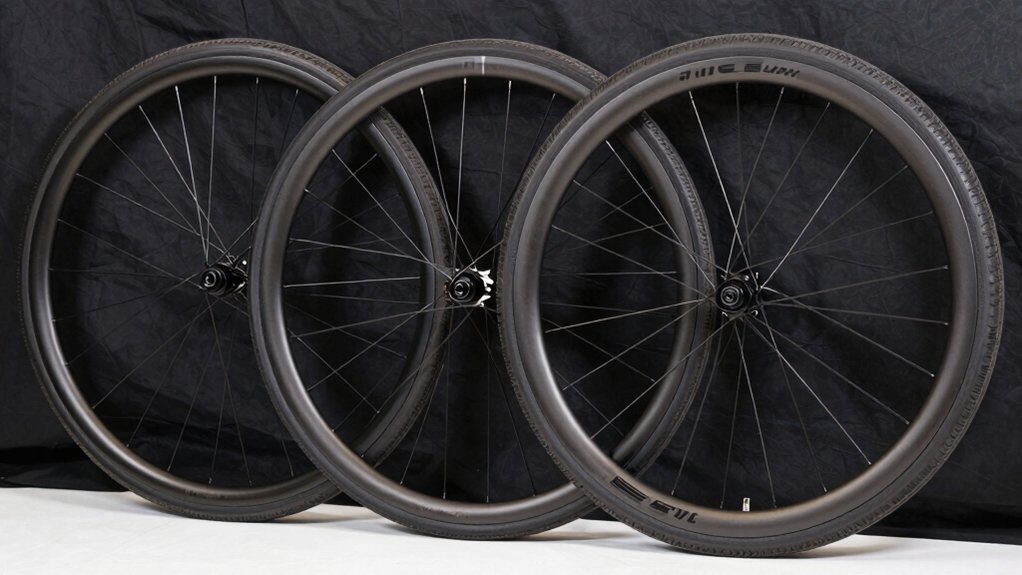
You’ll pick a 700C tyre by matching frame/fork clearance, rim internal width, and expected pressure/load: 23–25 mm for pure road speed, 28 mm for fast comfort and commuting, and 30–32 mm for extra cushioning or light gravel where clearance allows.
Measure the tightest clearance and add 3–5 mm safety. Match tyre width to rim internal width for a stable profile. Use lower pressures with wider tyres; keep going and you’ll get valve-length, tubeless, and pressure details.
Quick Overview
- “700C” refers to wheel diameter; tire width (e.g., 23–32 mm) determines ride, rolling resistance, and intended use.
- Use ETRTO (ISO) numbers as primary reference because French labels can be inconsistent.
- Measure the tightest frame/fork clearance and add 3–5 mm safety to find the maximum tire width.
- Match rim internal width to the tire width per manufacturer charts for a safe, stable tire profile.
- Set tire pressure based on tire width and load: wider tires run lower pressures for comfort and traction.
00×23–32mm Comparison Chart
Curious which 700C tire in the 23–32mm range suits your riding? You will pick between narrow road speed and slightly wider mixed-surface control. Use ETRTO (e.g., 25-622) as the primary reference; French labels vary. Be aware of clearance pitfalls when moving up from 23 to 32mm. Check rim internal width compatibility. Also, match pressure ranges recommended by the tire and rim to avoid pinch flats or blowouts.
| Size (mm) | Typical Use | Note |
|---|---|---|
| 23–25 | Pure road | Lowest rolling resistance |
| 28 | Fast/comfort | Versatile for commuting |
| 30–32 | Road+gravel | Watch frame and fork clearance |
Clearance, Pressure, Rim Width
How much tire you can fit and how hard you should run it all come down to clearance, pressure, and rim width working together. You’ll check frame and fork 700c clearance first: measure from brake and chainstays to tire edge to find maximum width. Rim internal width tells you what tyre profile is stable; wider rims support wider 700c tyres safely.
Tire pressure depends on width and load. Wider tyres run lower 700c pressure for comfort and traction; narrower tyres need higher pressure to avoid pinch flats.
- Measure 700c clearance at the tightest point and add 3–5mm safety.
- Match rim internal width to manufacturer tyre-width charts.
- Set 700c pressure per tyre sidewall; adjust for rider weight and terrain.
Valve Stem Length Guidance
You’ll need the right valve stem length to match rim depth and whether you’re running tubed or tubeless setups. Measure from the rim bed to the outer rim edge to pick a stem that clears the hole plus any rim tape or sealant layer.
Consider extenders or adapters for deep-section rims. Also note valve type: Presta vs. Schrader, because adapters and tubeless valves change the effective length and sealing requirements.
Valve Length Basics
Wondering which valve stem length you need for a 700c wheel? You’ll first weigh valve length implications: deeper rims need longer stems to reach a pump, while shallow rims work with standard stems. Consider tube sizing considerations too: tubes are labeled for valve type and length ranges; match them to rim depth and any rim tape or rim strip thickness.
Measure rim depth before buying. Shallow (≤20mm) uses 32mm stems. Medium (20–40mm) often uses 48mm, and deep rims (>40mm) typically need 60mm or more. Don’t forget presta vs schrader compatibility and removable valve cores for tubeless setups. Choose the shortest stem that clears the rim to minimize exposure and snag risk.
Measuring Stem Height
Want to make sure your valve stem clears the rim without sticking out more than necessary? Measure from the rim’s outer surface to the tip of the valve while the tire is fully seated and inflated: that’s your stem height measurement. Use calipers or a straight edge and ruler; record the minimum length that still allows a pump head to engage comfortably.
Check both Presta and Schrader options against available extenders or shorter stems if clearance is tight. Confirm measurement after tire bead seating because the bead can shift rim-to-valve distance slightly during inflation. If you mount thicker tires or use rim tape, recheck stem height.
Accurate stem height measurement prevents leaks, pump frustration, and damaged valves while keeping a neat, safe setup.
Rim Hole Depth
After you’ve measured stem height to make sure the valve clears the rim, check the rim hole depth to determine how much valve length you actually need. Measure from the outer rim face to the inner cavity where the valve nut or stem base will sit; that distance is your effective rim hole depth.
Match valve length so the valve threads and cap clear the rim and allow secure tightening without stressing the tube or core. Account for any tire bead seating that increases rim-to-valve distance when the tire is fully mounted and seated. If you plan thicker rim tape, a deep-profile rim, or a Presta-to-Schrader adapter, add that thickness into your required valve length to prevent short valves or overextended stems.
Tubeless Vs. Tubed
Start by matching valve stem length to the system: Tubed setups typically need shorter stems because the inner tube sits close to the rim bed. Tubeless systems often require longer, removable-core Presta stems to pass through thicker rim beds, sealant, and rim tape and still allow secure tightening. You should measure rim depth and add 6–12 mm for tubed compatibility. Shallow rims can use standard 32 mm stems; deeper rims need longer.
For a tubeless setup, choose a removable-core stem long enough to clear rim tape and let you inject sealant easily. Ensure the stem base seats and the locknut engages fully. Check manufacturer specs for rim width and advertised stem length ranges before buying stems.
Extender And Adapter Options
Need a longer valve stem? If your rim depth or tubeless setup hides the stem, choose a quality valve extender rated for pressure and compatible with Presta or Schrader as needed. Check extender compatibility with rim material, tubeless valves, and tire sealant to avoid leaks or corrosion. Measure from rim bed to nipple head. Buy an extender slightly longer to allow the cap and pump head to engage easily.
For adapter installation, clean threads. Hand-start to avoid cross-threading, then tighten snugly; don’t over-torque rubber-lined extenders. Use a small wrench on metal extenders if specified. After installation, inflate and check for slow leaks, especially where sealant meets threads. Keep a spare extender in your repair kit.
Frequently Asked Questions
Can I Mix 700C Wheels With 29ER Tires on the Same Bike?
Yes, you can mix 700c wheels with 29er tires because both use the same 622mm rim diameter. However, you’ll check frame and fork clearance and guarantee mixed braking works safely.
You’ll want disc compatibility on both wheels to avoid rotor/caliper mismatch. Additionally, confirm rim width matches tire width. Measure clearance for chainstays and fork; pick appropriate tire widths, and adjust brakes and fender mounts if needed.
Will Tubeless Sealant Work With All 700C Tires?
Yes, but not always. You’ll find most modern 700c tires marked tubeless-ready will work with tubeless compatibility and standard sealant behavior. However, older or non-TL tires, stitched beads, or certain lightweight racing casings might not hold air or allow sealant to seal well.
Always use tubeless-ready rims, compatible valves, and proper sealant volume. Test for slow leaks and bead seating before riding to ensure reliable performance.
How Does 700C Affect Bike Handling at High Speed?
700c wheels improve high-speed stability because their larger 622mm rim diameter smooths roll and resists crosswinds better than smaller rims. You’ll get predictable speed stability and reduced rolling vibration, especially with appropriate tire width and pressure.
Braking performance depends on rim/tire combo and brake type; wider tires increase traction and shorter stopping distances. In contrast, narrower tires and higher pressures can make steering twitchier under hard braking. Adjust tire choice for your riding.
Are Inner Tube Valve Types Interchangeable Across 700C Rims?
Yes, valve types are generally interchangeable on 700c rims as long as inner tube compatibility with the rim valve hole is confirmed. You’ll use Presta for narrow road rims, and Schrader for wider or hybrid rims; valve length matters for deep rims.
Check rim dimension interchangeability and hole size before fitting. Use valve extenders if needed. Always ensure correct tube diameter and tire width for safe, reliable mounting.
Do 700C Wheels Fit Vintage Frames With Horizontal Dropouts?
Yes, you can fit 700c wheels to vintage frames with horizontal dropouts, but check axle spacing and brake reach first. Vintage frames and horizontal dropouts, compatibility questions often hinge on hub width, axle type, and chainline.
If you plan tubeless tires on 700c rims, confirm rim bed, tire clearance, and that sealant applicability won’t harm paint or bearings. You’ll likely need adapters or cold-setting for through-axles, and brake adjustments.
Conclusion
You now know how 700c tire sizing works, from 23mm to 32mm, so you can match tire width to frame clearance, rim internal width, and recommended pressures. Check valve stem length against rim depth and measure stem height from the rim bed. Use extenders or adapters when needed.
Decide between tubeless and tubed based on puncture protection and installation complexity. With precise measurements and correct pressure, you’ll get the ride quality and safety you expect.
