3 Best Rigid Fat Bikes for 2026 (Conquer Any Terrain)
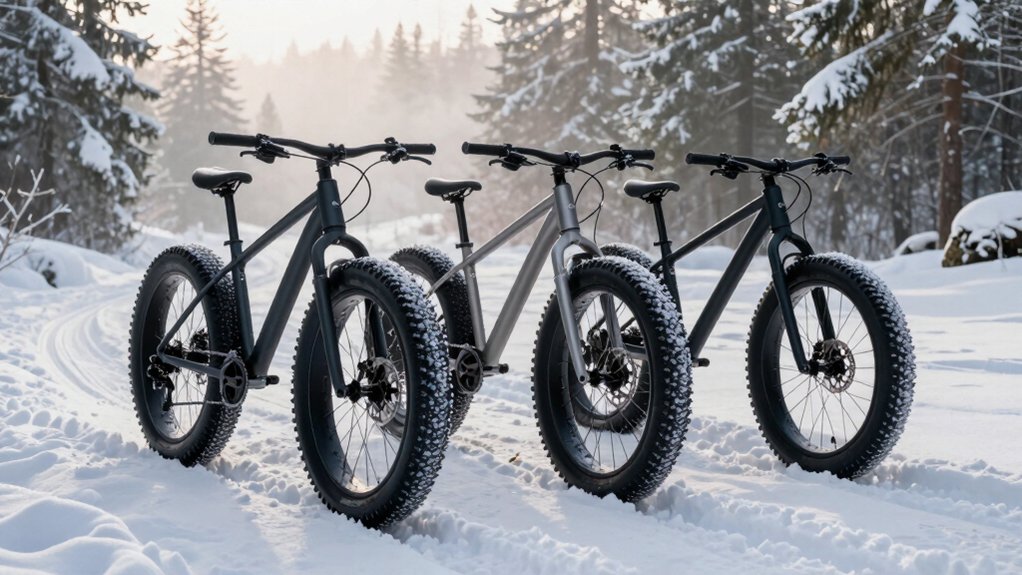
You’ll dominate sand, snow, and trails in 2026 with the rugged Mongoose Dolomite: durable, affordable, and built for adventure.
The Mongoose Aztec offers simplicity and strength for beach cruises or city rides.
Upgrade your ride with the CDHPOWER 26×4 fork, giving you solid tire clearance and disc brake compatibility.
Choose steel for toughness or aluminum for lightness; pair wide 4-inch tires with reliable 7-speed gearing, and trust disc brakes for control.
There’s more to mastering your setup just ahead.
| Mongoose Mongoose Dolomite Fat Tire Mens Mountain Bike | 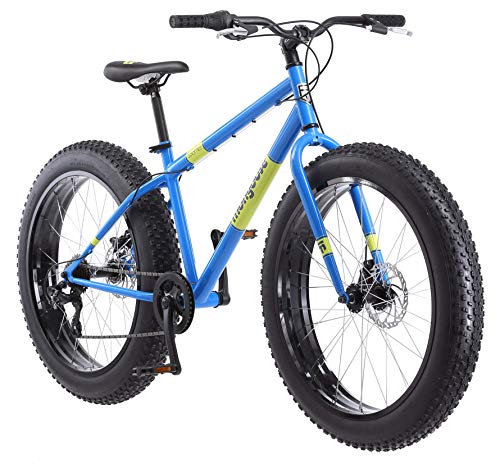 | Best Overall | Wheel Size: 26-inch | Tire Width: Fat tire (4-inch implied) | Frame Material: Steel | VIEW LATEST PRICE | Read Our Analysis |
| Mongoose Aztec Fat Tire Bike (Red) | 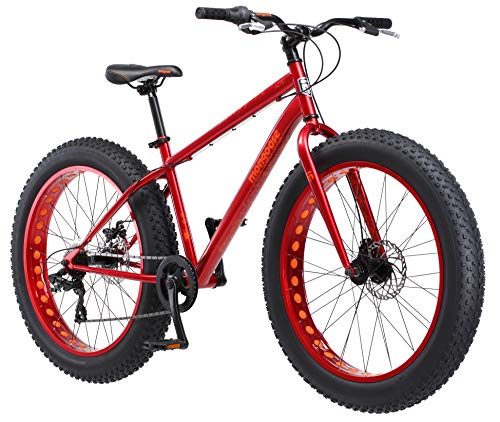 | Top Choice for Cruising | Wheel Size: 26-inch | Tire Width: 4-inch knobby tires | Frame Material: 18-inch steel | VIEW LATEST PRICE | Read Our Analysis |
| CDHPOWER 26×4 Fat Tire Bike Fork |  | Budget-Friendly Pick | Wheel Size: 26-inch | Tire Width: Maximum 26X4.0” | Frame Material: Steel | VIEW LATEST PRICE | Read Our Analysis |
More Details on Our Top Picks
Mongoose Mongoose Dolomite Fat Tire Mens Mountain Bike
If you’re a beginner or casual rider between 5’4″ and 6″ tall, the Mongoose Dolomite is one of the best rigid fat bikes for 2026 because it balances affordability, durability, and trail-ready performance.
You’ll handle rough terrain with ease thanks to its steel frame and 26-inch fat tires. The 1×7 drivetrain gives smooth shifting, while alloy rims keep weight down. You get responsive control from front and rear mechanical disc brakes. Beach cruiser pedals make rides comfortable, and the adjustable setup fits your height.
It arrives 80% assembled; just use basic tools to finish. The threadless headset boosts speed and handling. You’re ready to conquer trails, sand, or snow without breaking the bank.
- Wheel Size:26-inch
- Tire Width:Fat tire (4-inch implied)
- Frame Material:Steel
- Brake Compatibility:Mechanical disc brakes
- Intended Terrain:Off-road trails
- Fork Type:Rigid (implied by structure)
- Additional Feature:1 x 7 drivetrain system
- Additional Feature:Beach cruiser pedals included
- Additional Feature:Arrives 80% assembled
Mongoose Aztec Fat Tire Bike (Red)
The Mongoose Aztec Fat Tire Bike (Red) is your go-to ride if you crave beachfront cruising on a durable, no-frills fat bike built for sand and city streets alike.
You’ll tackle varied terrain with ease thanks to its 26-inch supersized knobby tires and wide alloy rims. The 18-inch steel frame fits riders 5’3″ to 6’1″; it offers stability and comfort. You shift smoothly with a 7-speed twist shifter and stop confidently using front and rear disc brakes. A mountain bike comfort saddle and 3-piece alloy crank make long rides bearable.
It’s simple, rugged, and ready when you are: no fancy extras, just solid performance where you need it.
- Wheel Size:26-inch
- Tire Width:4-inch knobby tires
- Frame Material:18-inch steel
- Brake Compatibility:Disc brakes (front and rear)
- Intended Terrain:Various terrains, beach cruising
- Fork Type:Rigid (implied by design)
- Additional Feature:7-speed twist shifter
- Additional Feature:Mountain bike comfort saddle
- Additional Feature:3 alloy piece crank
CDHPOWER 26×4 Fat Tire Bike Fork
You’re upgrading a classic 26” frame and need a burly, no-frills fork that handles wide tires without breaking stride: the CDHPOWER 26×4 Fat Tire Bike Fork delivers. Built from durable steel, it weighs just 1.3kg and supports tires up to 26×4.0”.
It fits 135mm dropouts and works with caliper or disc brakes. The 1” threaded steerer (215mm long, 95mm threaded) requires a compatible headset (not included). You’ll appreciate its strength and simplicity whether tackling trails or cruising pavement.
It’s a reliable, affordable fix for your fat tire build.
- Wheel Size:26-inch
- Tire Width:Maximum 26X4.0”
- Frame Material:Steel
- Brake Compatibility:Caliper and disc brake compatible
- Intended Terrain:Fat tire and various cycling applications
- Fork Type:Rigid, threaded
- Additional Feature:Threaded rigid steel fork
- Additional Feature:135mm dropout width
- Additional Feature:215mm steerer tube length
Factors to Consider When Choosing Rigid Fat Bikes
You’ll want to think about frame material, since it affects both weight and ride quality. Tire size, brake type, and gear range make a big difference in how your bike handles different terrain.
Make sure it fits your height right, so you stay comfortable and in control.
Frame Material Options
While durability and ride quality matter most, your choice of frame material shapes the entire rigid fat bike experience. You’ll find steel frames tough and shock-absorbent; they are ideal for rough terrain, but they’re heavier, which can tire you on long rides.
If you want something lighter, aluminum offers solid strength with better corrosion resistance. This boosts your bike’s performance over distance. It strikes a smart balance between cost and efficiency, especially when paired with steel components.
For top-tier speed and responsiveness, carbon fiber delivers the best strength-to-weight ratio; it helps you accelerate faster and handle with precision. However, it comes at a higher price. Each material affects weight, comfort, and cost differently, so you’ve got to weigh your priorities.
Pick steel for durability, aluminum for value, or carbon fiber when you want peak performance without compromise.
Tire Size Importance
A fat bike’s tire size directly shapes how it handles challenging terrain. Wider tires, typically 4 inches or more, deliver superior grip and flotation on sand, snow, and loose surfaces. You’ll benefit from increased stability and smoother rides since the larger contact patch allows lower tire pressure, boosting comfort and shock absorption.
Most fat bikes use 26-inch diameter wheels; this strikes a balance between agility and rolling resistance for diverse off-road conditions. Wider tires improve control, especially when you’re tackling slippery or uneven ground. But don’t overlook frame and fork clearance. Your chosen bike must physically fit the tire size you want. Not all models support the largest tires, so check compatibility before deciding.
Choosing the right tire size means matching it to the terrain you’ll ride most. Get it right, and you’ll roll faster, grip harder, and ride farther with confidence.
Brake System Types
Bigger tires change how you roll over rough ground, but your control depends just as much on what stops you. You’ll usually choose between disc and caliper brakes.
Disc brakes give you stronger, more consistent stopping power, especially in wet or muddy conditions: they are perfect when you’re tackling off-road terrain. They handle heat better and don’t wear down your rims.
Caliper brakes are lighter and simpler to maintain, making them a solid pick if you stick to dry, smooth paths. However, they struggle with wide fat bike tires and lose effectiveness in bad weather.
Think about where you’ll ride and how much control you need. Also, check compatibility; your frame and fork must support your chosen system, especially with wide rims.
Pick smart, and you’ll stop as confidently as you roll.
Gear Range Considerations
When tackling varied terrain, your gear range makes a real difference in how easily you climb hills or maintain speed on flats. You’ll want a wider gear range, like what’s offered in 7-speed systems, for smoother shifts and better adaptability. A broader range gives you lower gears that make steep climbs feel easier.
Bikes with twist shifters let you change gears quickly, so you can react fast when trail conditions shift. If you’re new to riding, a 1 x 7 drivetrain simplifies things: fewer chainrings mean less confusion and smoother operation. Plus, when your drivetrain works well with disc brakes, you get steady control no matter what gear you’re in. That combo boosts your confidence and performance on rugged trails.
Choose smart, and you’ll ride stronger, longer, and with more control wherever the path takes you.
Rider Height Fit
You’ve got your gear range sorted for smooth climbs and quick shifts, but don’t overlook how your body fits on the bike. Your height directly affects how well you handle the trail. Most rigid fat bikes fit riders between 5’3″ and 6’1″; however, check each model’s size chart to match your height. A proper fit means a slight knee bend when the pedal’s at its lowest, boosting efficiency and cutting strain.
Choose a frame size close to your height. Oversizing or undersizing hurts control. A well-fitted bike improves stability and maneuverability, especially on loose or uneven terrain. You’ll ride more comfortably and safely when your body lines up right with the frame. Don’t assume one size fits all; even small differences matter. Test ride if you can, or double-check geometry specs online.
Your height isn’t just a number—it’s the key to confident handling and better rides overall.
Weight And Durability
Though weight and durability often pull in opposite directions, striking the right balance shapes how well your rigid fat bike handles the trail. You want a light build for speed and agility; however, you can’t sacrifice strength when tackling rough terrain. Steel frames offer toughness and absorb shocks well, making them ideal for brutal conditions. Meanwhile, aluminum gives you a lighter ride with solid durability.
Wider tires—up to 4 inches—boost grip and stability, but they add weight; therefore, choose based on your terrain. You’ll also need rugged rims and reliable brakes that can take a beating off-road. Think about how and where you ride: trail intensity and style determine whether you lean toward lightweight performance or bombproof resilience.
Pick the combo that matches your real-world needs, not just specs on paper.
Fork Compatibility Needs
Since the fork plays a key role in steering precision and tire clearance, you’ll want to match it carefully to your bike’s specs. Make certain it’s compatible with 26-inch wheels, the standard for most fat bikes.
Check that the fork supports your desired tire size: many handle up to 26×4.0 inches, but verify before buying. You’ll also need to confirm brake compatibility; some forks work only with disc brakes, while others support caliper systems. This impacts both safety and performance.
Match the steerer tube’s outer and inner diameters to your headset to guarantee a secure, smooth fit. A mismatch here can lead to poor handling or damage. Finally, consider the fork’s weight: lighter models boost maneuverability and efficiency, especially on rough trails.
Getting these details right means your rigid fat bike handles well, rides smoother, and lasts longer, no matter the terrain.
Frequently Asked Questions
Can I Ride a Rigid Fat Bike on Snow?
Yes, you can ride a rigid fat bike on snow. The wide tires give you great traction and float over the surface. You’ll stay balanced and in control, even on deep or packed snow.
It’s a fun, stable way to explore winter trails.
Are Rigid Fat Bikes Good for Beginner Riders?
Yes, you’re gonna find rigid fat bikes great as a beginner. They’re stable, easy to control, and handle rough terrain without fuss. Their wide tires give you confidence; with less complexity, you’ll spend more time riding and less time tinkering.
Do Rigid Fat Bikes Work Well on Pavement?
Yeah, rigid fat bikes work on pavement, but you’ll feel every bump. They’re heavier and slower to pedal than regular bikes; you’ll get tired quicker. However, they’re stable and fun if you don’t mind the extra effort.
How Heavy Is a Typical Rigid Fat Bike?
A typical rigid fat bike weighs 35–45 pounds, so you’ll feel it when you’re riding. You’ll still pedal efficiently, though, and the chunky tires handle rough and smooth surfaces without a hitch. No suspension is needed to smooth things out.
Can I Add Suspension to a Rigid Fat Bike Later?
No, you can’t add suspension to a rigid fat bike later. The frame’s built stiff; it won’t accept forks or rear shocks. If you want cushion, buy a hardtail or full-suspension model from the start.
Conclusion
You’ve got the power to tackle any terrain with these top rigid fat bikes of 2026. Whether you’re cruising snow, sand, or trails, each pick delivers unbeatable stability and control. You’ll love the durability and simplicity they offer without sacrificing performance.
Choose the one that fits your ride style and budget; then hit the path with confidence. Adventure’s waiting, and you’re ready for it.