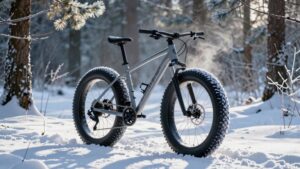
3 Best Fat Bikes with Rigid Forks for 2026
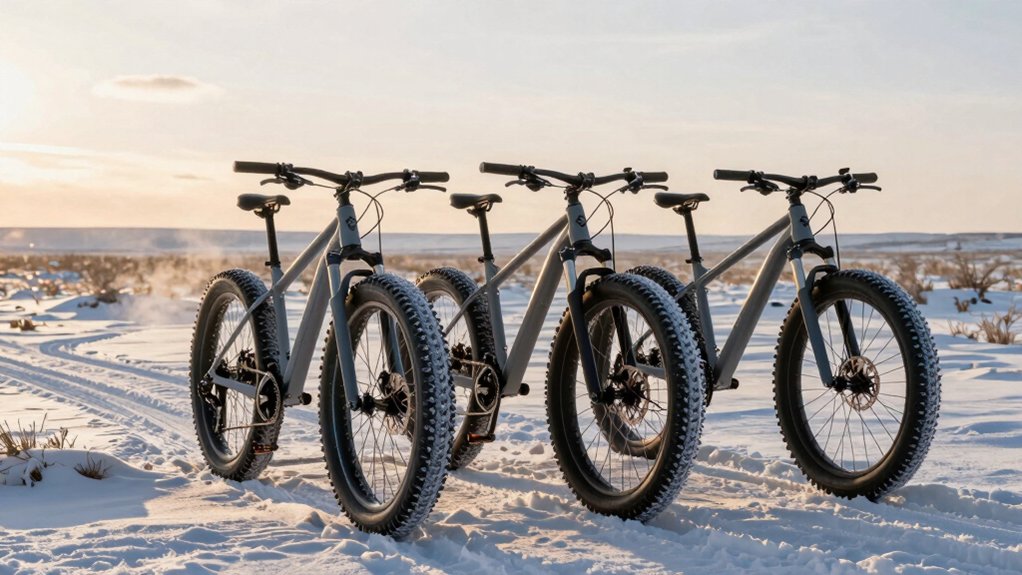
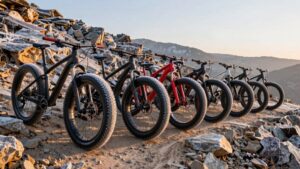
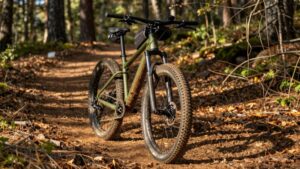
You tackle rugged terrain with confidence on the 2026 Borealis Fjord, Surly Ice Cream Truck, and Salsa Mangusta.
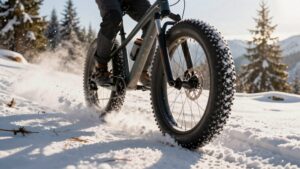
Each is built tough with durable rigid forks. These steel-framed beasts handle heavy loads and absorb impacts, giving you precise control on snow, sand, and rock. You’ll skip suspension hassles and gain reliability where it counts.
Their 26×4.0 tire clearance and disc compatibility keep you stable and stopping strong.
There’s more to discover about how they dominate the elements.
| CDHPOWER 26X4 Fat Tire Bike Fork |  | Best Overall | Material: Steel | Weight: 1.3kg (2.86lb) | Steerer Tube OD: 1″ (25.4mm) | VIEW LATEST PRICE | Read Our Analysis |
| CDHPOWER 26X4 Fat Tire Bike Fork |  | Top Performance | Material: Steel | Weight: 1.3kg (2.86lb) | Steerer Tube OD: 1″ (25.4mm) | VIEW LATEST PRICE | Read Our Analysis |
| CDHPOWER 26” Threaded Fat Tire Rigid Fork |  | Budget-Friendly Pick | Material: Steel | Weight: 1.3kg (2.86lb) | Steerer Tube OD: 1″ (25.4mm) | VIEW LATEST PRICE | Read Our Analysis |
More Details on Our Top Picks
CDHPOWER 26X4 Fat Tire Bike Fork
If you’re upgrading an older 26” mountain or cruiser bike to handle fat tires up to 26×4.0”, the CDHPOWER 26X4 Fat Tire Bike Fork is your best and most affordable entry point. You get a durable steel, rigid fork built for 1″ threaded headsets and 135mm dropouts. It supports both disc and caliper brakes; you won’t need to replace your existing setup.
At 1.3kg, it’s sturdy but not overly heavy. The 215mm steerer tube gives plenty of room for adjustments, and it fits most standard frames. While it only has a 3.6-star rating, it’s already ranked #4 in bike rigid forks: proof it delivers value.
- Material:Steel
- Weight:1.3kg (2.86lb)
- Steerer Tube OD:1″ (25.4mm)
- Steerer Tube Length:215mm (95mm threaded)
- Dropout Width:135mm
- Max Tire Size:26X4.0″
- Additional Feature:Rigid steel construction
- Additional Feature:Threaded steerer tube
- Additional Feature:Compatible with caliper brake
CDHPOWER 26X4 Fat Tire Bike Fork
You’re tackling rugged trails and deep snow with tires up to 26X4.0”, and the CDHPOWER 26X4 Fat Tire Bike Fork delivers the backbone you need. Made of durable steel, it weighs just 1.3kg and handles rough terrain with ease.
You’ll install it on any standard 26” bike using a 1″ threaded headset; its 215mm steerer tube gives you room to adjust. The 135mm dropout fits both disc and caliper brakes, so you don’t have to worry about compatibility.
Whether you’re swapping out a damaged fork or upgrading, this fork holds up under pressure. It’s built for adventure, so you can ride harder and explore further without hesitation.
- Material:Steel
- Weight:1.3kg (2.86lb)
- Steerer Tube OD:1″ (25.4mm)
- Steerer Tube Length:215mm (95mm threaded)
- Dropout Width:135mm
- Max Tire Size:26X4.0″
- Additional Feature:Designed for off-road
- Additional Feature:Fits disc brake
- Additional Feature:Enhanced rugged terrain performance
CDHPOWER 26” Threaded Fat Tire Rigid Fork
The CDHPOWER 26” Threaded Fat Tire Rigid Fork is built for riders who want a tough, no-frills upgrade that handles rough trails and heavy loads without breaking a sweat. You’re getting a durable steel fork that weighs just 1.3kg and fits 1” threaded headsets perfectly.
Its 215mm length and 95mm threaded steerer offer reliable control. Compatibility with V-brakes and disc brakes gives you setup flexibility. You can run tires up to 26×4.0” on your Fat Bike or standard ride.
Available since April 2024, it’s already ranking #82 in bike rigid forks. If you spot a lower price, CDHPOWER lets you submit it for possible adjustment.
- Material:Steel
- Weight:1.3kg (2.86lb)
- Steerer Tube OD:1″ (25.4mm)
- Steerer Tube Length:215mm (95mm threaded)
- Dropout Width:135mm
- Max Tire Size:26X4.0″
- Additional Feature:Model CDH-DF02
- Additional Feature:Supports V-brake
- Additional Feature:Unisex-adult target audience
Factors to Consider When Choosing a Fat Bike With Rigid Forks
You’ll want to check the fork’s material since it affects both weight and ride quality. Make sure your brakes, tire size, and headset are all compatible with the rigid fork you’re considering.
Don’t forget to confirm the dropout width matches your wheel’s axle spacing.
Fork Material Selection
Since steel forks handle heavy loads without bending, they’re a top choice for rigid fat bike builds meant to tackle tough terrain. You’ll appreciate their durability, especially when riding over rocky or uneven surfaces. Weighing around 1.3kg (2.86lb), steel adds mass but boosts stability; this is ideal for controlling your bike in challenging conditions.
Unlike stiffer materials like aluminum, steel absorbs vibrations better, giving you a smoother, more comfortable ride on rough trails. You’ll also benefit from its proven strength, reducing the risk of damage from heavy impacts. Just make certain the fork material matches your frame’s design and intended use.
While steel doesn’t offer the lightest option, its resilience and ride quality make it a smart pick for adventure-heavy riding. Choose wisely to guarantee lasting performance and better handling where it counts.
Brake Type Compatibility
When picking a fat bike with rigid forks, make certain your brake type aligns with the fork’s design: caliper or disc, it must fit right. You’ll want to confirm your fork has the proper mounts for your chosen brakes, especially if you’re using disc brakes with specific rotor sizes. Many rigid forks support both types; this gives you flexibility, but always double-check mounting points. You can’t afford guesswork: mismatched brakes lead to poor stopping power or fit issues.
Larger tires may also affect brake clearance, so ascertain your setup avoids rub. Don’t skip verifying headset compatibility either; it impacts how cleanly your brakes and fork integrate with the frame. Get it wrong, and you’ll face annoying mods or safety risks. You’re aiming for smooth stops and reliable control, so match your brake choice carefully to the fork’s specs. It’s not just preference: it’s performance and safety, every ride.
Tire Size Support
Tire clearance is the heartbeat of a fat bike’s capability, and rigid forks must match your intended rubber. You need a fork that supports your desired tire size, like the CDHPOWER model accommodating up to 26×4.0-inch tires. This guarantees ample float on snow, sand, or mud without rubbing.
Check the dropout width; commonly 135mm, so it aligns with your frame and wheel setup. Don’t overlook the steerer tube. Most rigid forks use a standard 1” diameter, guaranteeing broad headset compatibility. While material affects ride quality, steel remains popular for its strength and stability under heavy loads. You’ll also want disc brake compatibility, which nearly all modern fat bike forks provide.
Match your tire ambitions with a fork that won’t hold back. Clearance defines where and how you ride.
Headset Size Match
One key detail can make or break your ride: matching the headset size to your rigid fork. You need a 1″ (25.4mm) threaded headset, so check that your fork’s steerer outer diameter matches. If it doesn’t, installation fails before it starts.
Also, verify the inner diameter—usually 0.87″ (22.2mm)—aligns with the headset to guarantee a snug, wobble-free fit. Don’t overlook the steerer length; around 215mm is typical, but it must suit your frame’s head tube to avoid handling issues.
Too short, and you’ll lack stability; too long, and you can’t secure it properly. Always cross-check these specs before buying. Getting them right means smooth steering, better control, and a safer ride.
Ignore them, and you risk poor performance or worse: a failed setup. Compatibility isn’t optional—it’s essential.
Dropout Width Fit
Don’t overlook the dropout width; it’s just as important as matching your headset size. You need to get this right to guarantee your rigid fork fits your fat bike’s frame properly.
Dropout widths typically range from 135mm to 150mm, with 135mm working on many standard mountain frames. If you pick a fork with the wrong width, you’ll struggle with installation and risk misaligning the wheel. That throws off handling, especially on rough trails or tight corners.
Always check your frame’s specs before buying. Matching the dropout width keeps your axle seated correctly and maintains the bike’s intended geometry. It’s a small measurement, but it makes a big difference in ride quality and safety.
Skip the guesswork: verify the numbers and avoid costly mistakes. Getting this right means smoother rides and no last-minute surprises.
Weight Considerations
A 1.3kg steel fork might sound sturdy, but it adds real weight that you’ll feel on long climbs and technical stretches. You want a rigid fork that’s tough; however, going too heavy drags down speed and burns you out faster. Lighter forks boost maneuverability and reduce fatigue, giving you more control when you need it.
Still, don’t overlook durability: steel brings strength for rugged use, even if it tips the scales. You’ve got to balance material, weight, and intended rides. A well-distributed setup improves handling; therefore, pair your fork wisely with frame and components. Heavy up front can make steering sluggish, while a lighter front end helps you stay nimble.
Think about where you ride most and match the bike’s total weight to that. Getting the balance right means you keep strength without sacrificing too much performance.
Terrain Performance Impact
When you’re tackling rough, uneven terrain, a fat bike with a rigid fork gives you better control and a more direct feel for the ground, especially with 26″ wheels and up to 4.0″ tires boosting stability. You’ll benefit from the rigid fork’s simplicity: no suspension to maintain means it’s lighter and more responsive under hard riding. Steel construction stands up to heavy impacts, giving you peace of mind on rocky or root-filled trails.
Since the fork handles both V-brakes and disc brakes, you can choose the stopping power that suits your riding conditions, wet or dry. Make sure the 1″ steerer tube and 215mm length match your headset, or you’ll lose precision in steering. That fit directly affects how your bike handles technical sections. With the right setup, you’re getting a durable, agile ride that keeps you in control where it matters most.
Frequently Asked Questions
Can I Install a Front Rack on a Rigid Fat Bike Fork?
Yes, you can install a front rack on a rigid fat bike fork if it has eyelets or braze-ons. Just make sure the rack’s weight capacity suits your needs and secure it tightly.
Double-check the fit, especially with wider tires, so it doesn’t wobble or rub.
Are Rigid Forks Suitable for Downhill Fat Bike Trails?
You shouldn’t ride downhill fat bike trails with rigid forks. They don’t absorb big hits well. You’ll feel every bump, and it’s harder to control. You’re better off using a suspension fork for safety and comfort on steep, rough descents.
How Do I Clean and Maintain a Rigid Fat Bike Fork?
You clean and maintain a rigid fat bike fork by rinsing off mud, wiping it down, checking for cracks, lubricating the steerer tube, and tightening bolts regularly. You keep it in top shape with simple, consistent care after every few rides.
Do Rigid Forks Work Well With Disc Brakes?
Yeah, rigid forks work great with disc brakes. You get strong, reliable stopping power. Just make sure your fork has a proper disc mount. You’ll have precise control, especially in slippery or rough conditions. Discs handle the load without issue.
Is a Threaded Fork Compatible With All Headset Types?
No, a threaded fork isn’t compatible with all headset types. You can only use it with threaded headsets, not threadless ones.
Make sure your frame and stem match the fork’s threading; otherwise, you’ll run into installation issues.
Conclusion
You’ve got great options when it comes to fat bikes with rigid forks for 2026. Whether you’re tackling snow, sand, or trails, these bikes offer durability and simplicity. You’ll save weight and reduce maintenance without sacrificing performance.
Just pick the one that matches your riding style and terrain. With the right fit and features, you’re all set for adventure.
Related: Wide Tire Bike Frames